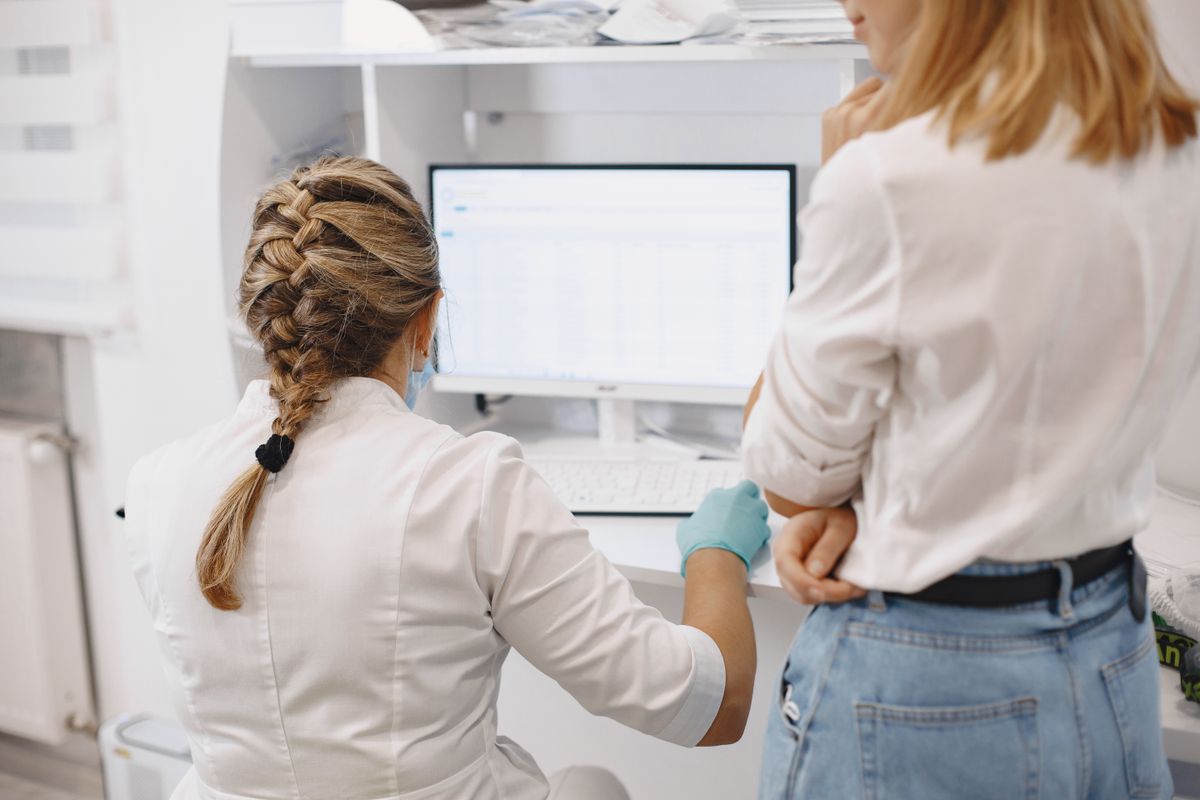
AI improves daily clinic operations by automating the administrative tasks that consume 60–70% of staff time — documentation, appointment reminders, inventory tracking, and reporting. In 2026, clinics using AI tools across Southeast Asia report saving 10+ hours per week on paperwork alone while seeing 15–20% more patients per day. The improvements are not theoretical. They are measurable from day one.
Where Do Clinics Lose the Most Time Every Day?
Before solving the problem, you need to see it clearly. A typical GP or dental clinic in Malaysia or Singapore loses productive hours to these daily bottlenecks:
- Clinical documentation — doctors spend 2–3 hours per day typing treatment notes after each consultation.
- Appointment management — front desk staff make 30–50 reminder calls per day. Up to 25% of patients still do not show up.
- Inventory counting — manual stock checks take 1–2 hours daily for clinics dispensing medications.
- Billing and invoicing — manual data entry for insurance panels, receipts, and tax compliance.
- Reporting — end-of-day and monthly reports cobbled together from spreadsheets.
These tasks are essential but repetitive. They do not require clinical judgement — they require accuracy and speed. That is exactly where AI excels.
How Does AI Speed Up Clinical Documentation?
Documentation is the single biggest time drain for doctors. MedicalMet's AI Treatment Notes use a proprietary voice recognition model built for clinical conversations. The doctor records the consultation using earbuds or a wireless microphone. The AI transcribes the spoken words and auto-fills the clinic's custom treatment note form — fields like diagnosis, symptoms, medications, and follow-up actions are populated in near real-time.
The numbers speak for themselves: over 10,000 voice treatment notes processed, saving an estimated 5,000 practitioner hours (MedicalMet data, 2025). For a clinic seeing 40 patients per day, that translates to roughly 2 hours saved daily — or 10 hours per week returned to patient care.
Can AI Reduce No-Shows and Manage Appointments?
Patient no-shows cost clinics thousands in lost revenue every month. The traditional approach — calling each patient individually — is slow and unreliable. AI-powered WhatsApp reminders automate the entire process.
MedicalMet sends automated appointment reminders, confirmations, and follow-ups via WhatsApp Business API. Patients can confirm, reschedule, or cancel with a single tap. The result: clinics using this feature report no-show rates dropping from 15–25% to under 3% — a 90% reduction (MedicalMet customer data, 2025).
Beyond reminders, automated confirmations free front desk staff from phone duty entirely. They can focus on greeting patients, managing walk-ins, and handling insurance queries instead of dialling numbers all morning.
How Does AI Improve Patient Flow and Queue Management?
Long wait times are the number one complaint patients have about clinics. AI-driven queue management tackles this from multiple angles:
- Real-time queue display — patients see their position and estimated wait time on screens or their phone.
- Smart scheduling — AI identifies patterns in consultation times by doctor and appointment type, then optimises scheduling slots.
- Walk-in balancing — AI distributes walk-in patients across available time gaps to prevent bottlenecks.
- Patient app notifications — patients receive alerts when their turn approaches via the MedicalMet Patient App, reducing crowded waiting rooms.
What About AI for Inventory and Medication Management?
Clinics that dispense medications face a constant challenge: tracking stock levels, monitoring expiry dates, and preventing waste. MedicalMet's Inventory by Batch system uses FEFO (First Expiry, First Out) logic to automatically prioritise medications closest to expiry.
The impact is significant: clinics using batch tracking report up to 85% reduction in medication waste, 100% batch traceability, and zero manual picking decisions. Stock alerts trigger automatically when items reach reorder thresholds, eliminating surprise shortages.
How Does AI Transform Clinic Reporting?
Manual reporting means exporting data, building spreadsheets, and interpreting numbers — a process that takes hours and often produces outdated insights. MedicalMet's AI-powered dashboard generates real-time reports on revenue, patient volume, practitioner performance, and operational metrics.
Clinic owners and managers can see daily performance at a glance without waiting for month-end. AI Customer Profiling adds another layer — auto-generated patient insight badges based on visit frequency, spending patterns, and engagement history help staff personalise every interaction.
“We used to close the books at month-end and hope the numbers looked good. Now I check the dashboard every morning and know exactly where we stand.”
— Dental Clinic Owner, Petaling Jaya (MedicalMet customer)
What Does the Impact Look Like in Real Numbers?
Based on data from MedicalMet's 3,000+ healthcare professionals across Malaysia, Singapore, Brunei, and the Philippines, here is what AI-powered clinic operations deliver:
- 10+ hours per week saved on clinical documentation per practitioner.
- 90% reduction in patient no-shows with automated WhatsApp reminders.
- 85% reduction in medication waste with batch-level FEFO inventory.
- 15–20% increase in daily patient throughput without adding staff.
- 40% more time nurses spend on direct patient care instead of admin tasks.
These are not projections. They are results from clinics already running on AI-powered systems today.
How Do You Get Started with AI in Your Clinic?
You do not need to transform everything at once. The most effective approach is to start with the two highest-impact areas:
- AI Treatment Notes — eliminate documentation backlog from day one. Doctors simply speak during consultations and the notes write themselves.
- WhatsApp Automation — set up automated reminders and confirmations. No-show rates drop within the first week.
Once those are running, expand to inventory tracking, reporting dashboards, and patient flow tools. MedicalMet is built for Southeast Asian clinics with local compliance (LHDN e-invoicing, insurance panel billing), WhatsApp Business API integration, and a dedicated patient app on iOS and Android.
Start Small, Scale Fast
Most MedicalMet clinics see measurable results within the first week — starting with documentation and reminders alone. You can add modules progressively as your team gets comfortable.

Eddy Goh
CTO, MedicalMet