Doctors did not study medicine to spend hours typing after every patient. Yet administrative documentation is one of the leading causes of burnout among healthcare professionals. For every hour of direct patient care, many doctors spend an additional one to two hours on clinical documentation. AI-powered treatment notes are changing this equation dramatically.
The Documentation Burden
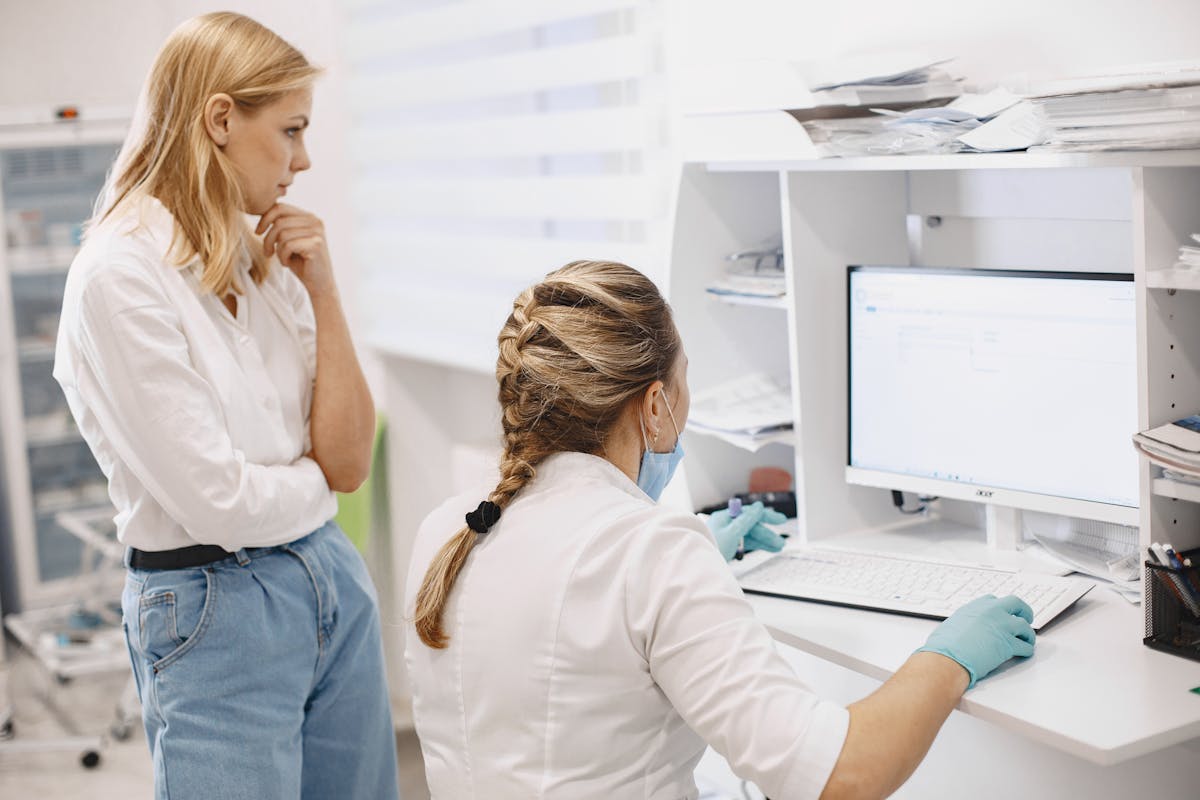
A typical GP clinic sees 40 or more patients per day. Each patient encounter requires documentation — symptoms, examination findings, diagnoses, treatment plans, prescriptions, and follow-up instructions. Typing these notes manually takes an average of three to five minutes per patient. Over a full day, that adds up to two to three hours of pure documentation time.
How Voice-to-Text and Auto-Summarization Work
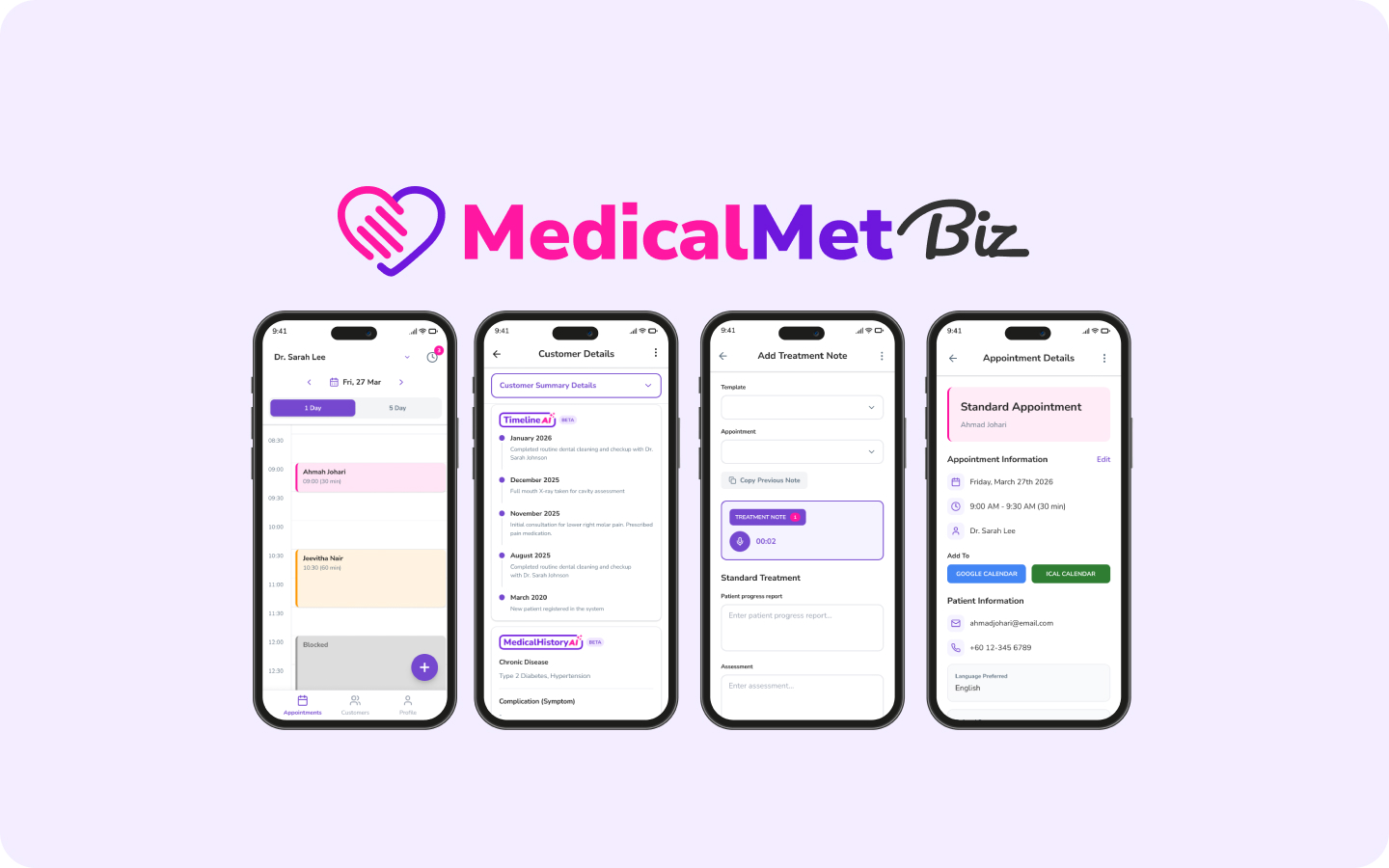
MedicalMet's AI Treatment Notes use a proprietary voice recognition model purpose-built for clinical conversations. During a consultation, the doctor simply records the conversation using earbuds or a wireless microphone. The AI transcribes the spoken words and then summarizes them into the clinic's custom treatment note form — filling in the right fields automatically.
The processing happens in near real-time, meaning the treatment note form updates as the doctor speaks. By the end of the consultation, the note is already drafted and ready for a quick review.
The Math: 10 Hours Saved Per Week
Here is how the time savings add up for a typical GP practice:
- Average time saved per patient with AI notes: approximately 3 minutes
- Patients per day: 40
- Daily time saved: 40 patients multiplied by 3 minutes equals 120 minutes (2 hours)
- Weekly time saved (5-day week): 10 hours
That is 10 hours every week that can be redirected to seeing more patients, spending more time with each patient, or simply going home on time.
Use Case: GP Clinics Seeing 40+ Patients Daily
For high-volume GP clinics, the impact is immediate. Doctors can maintain the same patient volume while eliminating the documentation backlog that typically extends their working day. Front desk staff also benefit — treatment notes are completed during the consultation, not after, which speeds up billing and discharge.
Use Case: Specialists with Detailed Notes
Specialists often require more detailed documentation than GPs — longer consultation notes, specific examination findings, and detailed treatment plans. The AI handles complex documentation equally well, summarizing lengthy specialist consultations into structured notes that match the specialist's custom template.
“Before MedicalMet, I stayed back an hour after clinic every day just to finish my notes. Now they are done before the patient walks out.”
— MedicalMet User
Eddy Goh
CTO, MedicalMet